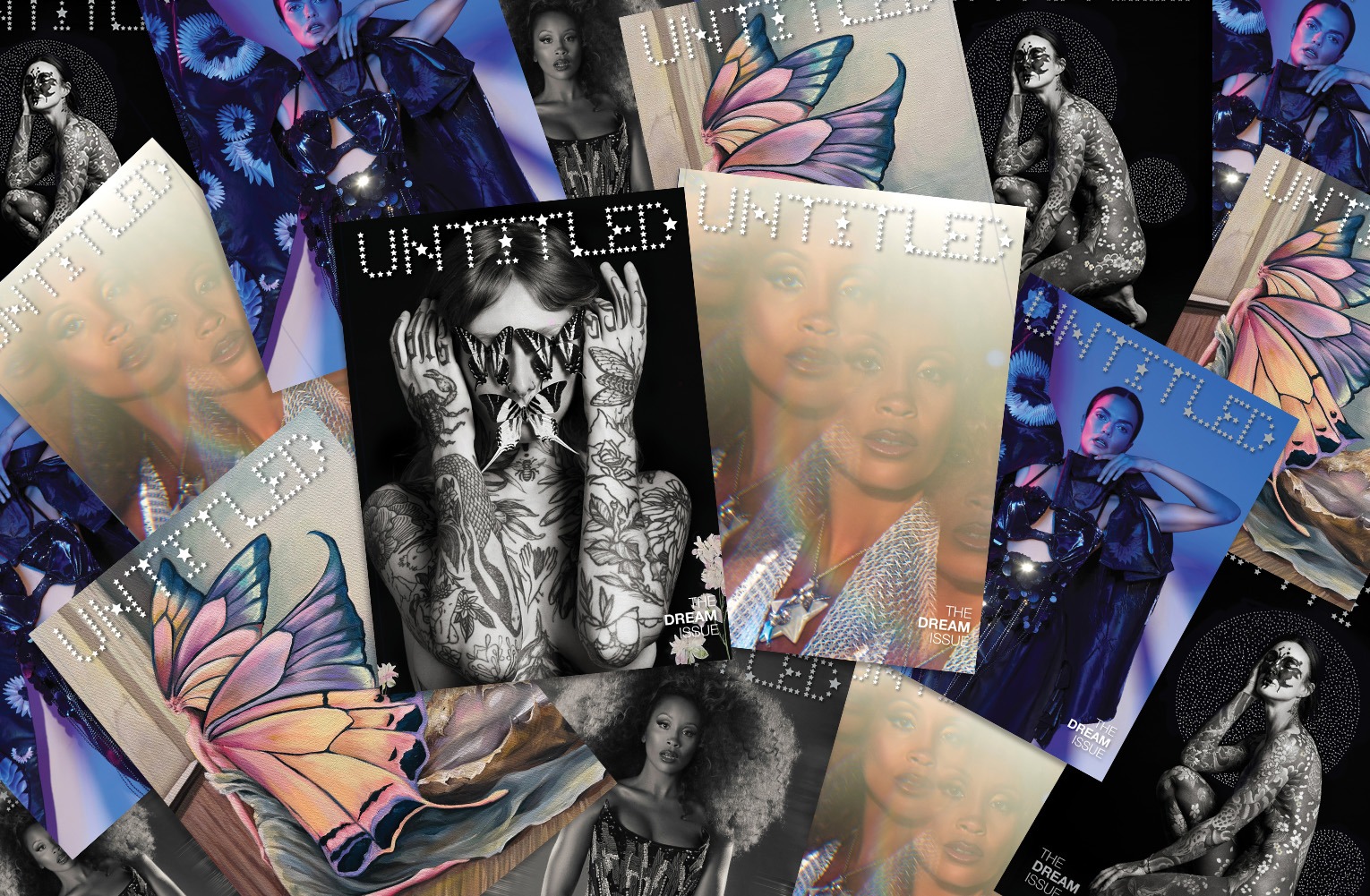
DREAM ISSUE EXCLUSIVE: ARTIST TRACY VON AHSEN ON CREATING CINEMATIC WORLDS FROM MEMORY AND DESIRE
New York City-based artist Tracy von Ahsen constructs analog collages in which identity, memory, desire, and spiritual consciousness overlap. A graduate of FIT, she began in photography before turning to hand-cut imagery as a means of building psychological worlds beyond a single frame. In our exclusive interview for The Untitled Magazine’s DREAM Issue, she reflected on queer identity, transformation, the subconscious forces shaping her cinematic compositions, and the ways imagination can participate in constructing lived reality.
What inspired your transition from photography to analog collage?
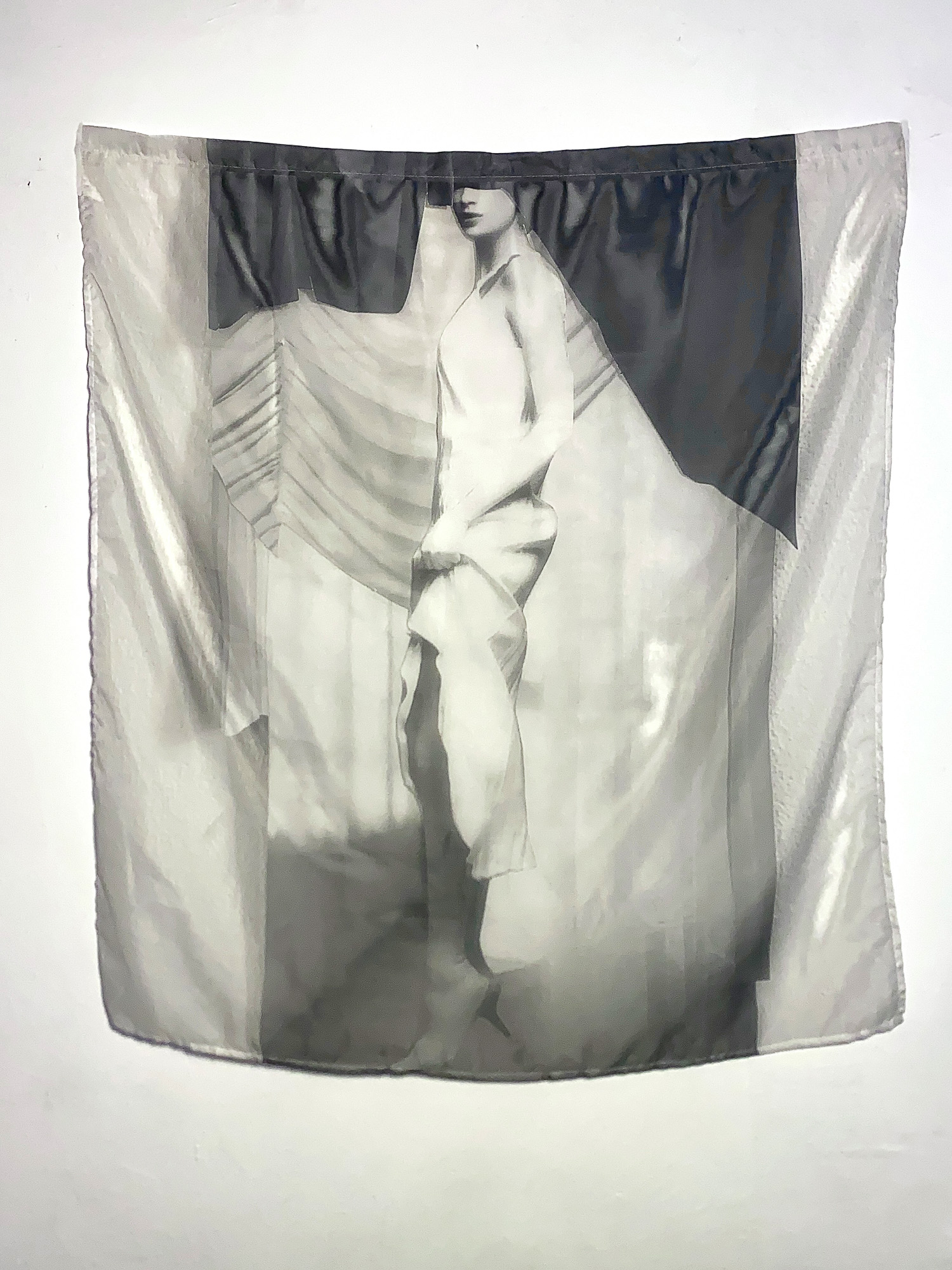
I never really left photography. Rather, I began building more complex psychological worlds than I could achieve through a single photograph. Collage allowed me to move beyond documenting reality and into constructing it. I began scanning fashion magazines and intuitively collecting the images that attracted me. My eye noticed the same visual motifs appearing again and again: curtains, pearls, gloves, veils, thresholds, fragments of the body. They emerged before I understood why. Through that repetition, I began to recognize these symbols as a kind of visual language. The work taught me what it was about. Rather than illustrating preconceived ideas, I discovered meaning by following intuition and allowing recurring images to reveal themselves over time.
How have queer identity and personal transformation shaped your work?
Discovering my queer identity is also what drew me into collage and why I believe it can be such a healing medium. I found myself questioning my sexuality later in life, while I was still in a marriage, and I didn’t yet have the language to understand what I was experiencing. Looking back, I realize my intuition knew before I did. I was repeatedly drawn to the female body as something both sacred and sensual, and the narratives I was building quietly pointed me toward an identity I had never fully embraced. The work revealed something to me before I was able to articulate it myself. Once that realization became conscious, queer identity became part of a larger theme of transformation. This idea of continually choosing or being thrust through a rite of passage, and how we face that, is a constant place of curiosity.
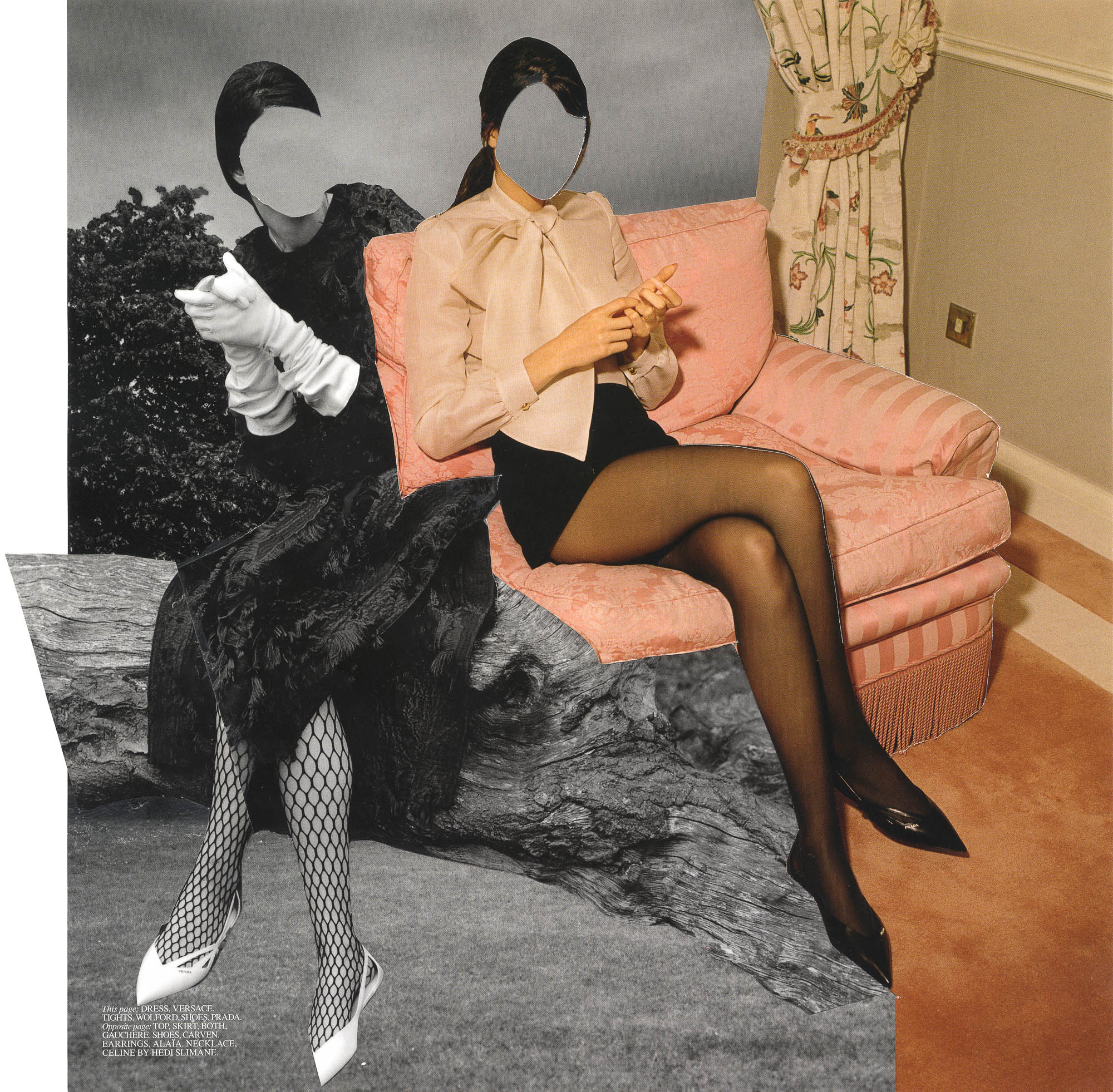
Your collages often feature fragmented or obscured figures. What do they represent for you?
The fragmented and obscured figures exist in a space between identities. I want the viewer to feel as though they’ve walked in on something sacred or quietly mysterious. Rather than offering a fixed narrative, the work asks how much of identity is inherent and how much of it is continually constructed, performed, and transformed.
How do dreams and altered states influence your creative process?
To me, dreams are part of reality, experienced through a different state of consciousness. I approach my collages in much the same way. Rather than beginning with a fixed narrative, I follow intuition and allow the subconscious to assemble fragments before I understand what they’re trying to say. I’m interested in the possibility that these inner worlds aren’t separate from reality, but reveal parts of consciousness we don’t normally have access to in our waking lives.
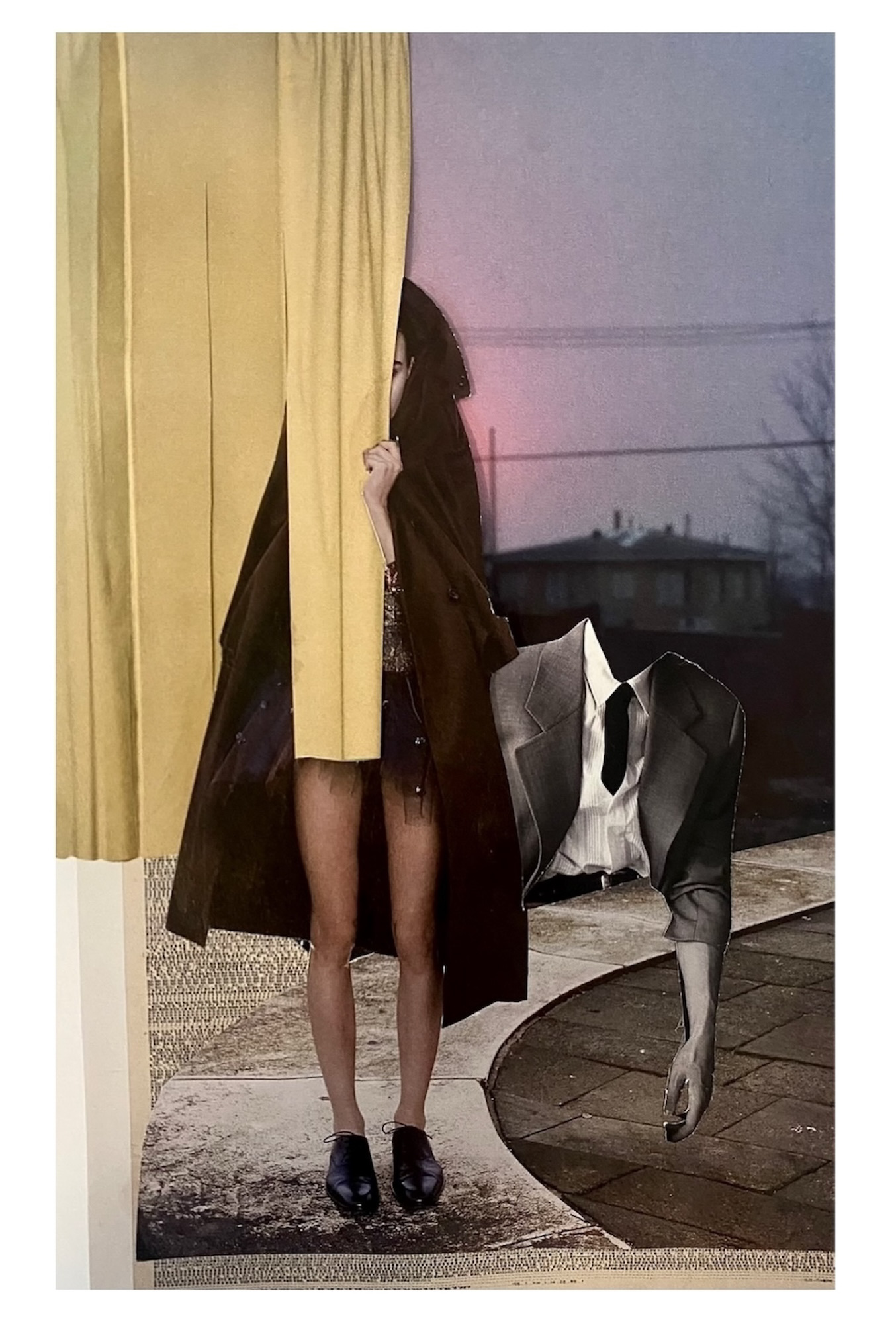
Your collages create cinematic worlds where memory, desire, and parallel realities overlap. What draws you to this space between the real and imagined?
I believe what you imagine becomes your reality. We’re constantly shaping our experience through what we choose to focus on, consciously or not. To me, imagination isn’t fantasy. It’s one of the primary ways we participate in creating the world we experience. That’s both liberating and confronting because it means we’re far less separate from our lives than we tend to believe. I hope the work leaves viewers questioning whether the reality they’re experiencing is simply happening to them, or whether they’re actively participating in creating it.
Von Ahsen’s work has been exhibited at Pen + Brush, Amos Eno Gallery, and the Leslie-Lohman Museum of Art, where it is held in the permanent collection. Across her practice, dreams become spaces for consciousness, identity, and transformation.
Interview by Indira Cesarine for The Untitled Magazine’s DREAM Issue, available now for purchase – visit untitled-magazine.shop to order your copy. Learn more about The DREAM Exhibit, live through December 21, 2026 on Artsy and Artnet on untitled-space.com.