EXCLUSIVE INTERVIEW: JOHNNY ROZSA REINVENTED – FROM BOY GEORGE AND LEIGH BOWERY TO WATERCOLORS AT KATES-FERRI PROJECTS
Interview by Indira Cesarine
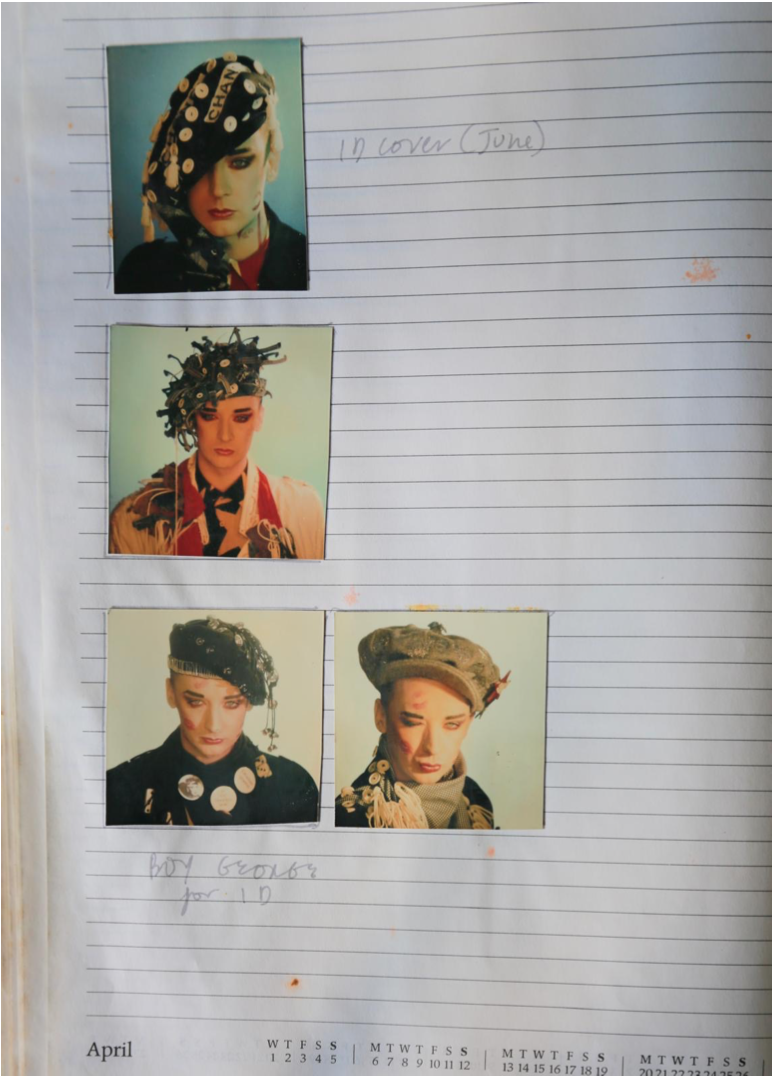
For decades, Johnny Rozsa photographed people who made self-expression an art form. Boy George, Leigh Bowery, and Vivienne Westwood were among the personalities who stepped in front of his camera, alongside actors and musicians whose portraits appeared in Vogue, i-D, The Face, and The Sunday Times. His Polaroid diaries recorded the working life behind those images: test shots, changing looks, handwritten notes, even the details of lunch. Now, those archives share gallery walls with an entirely different cast of characters—faces largely drawn from his imagination.
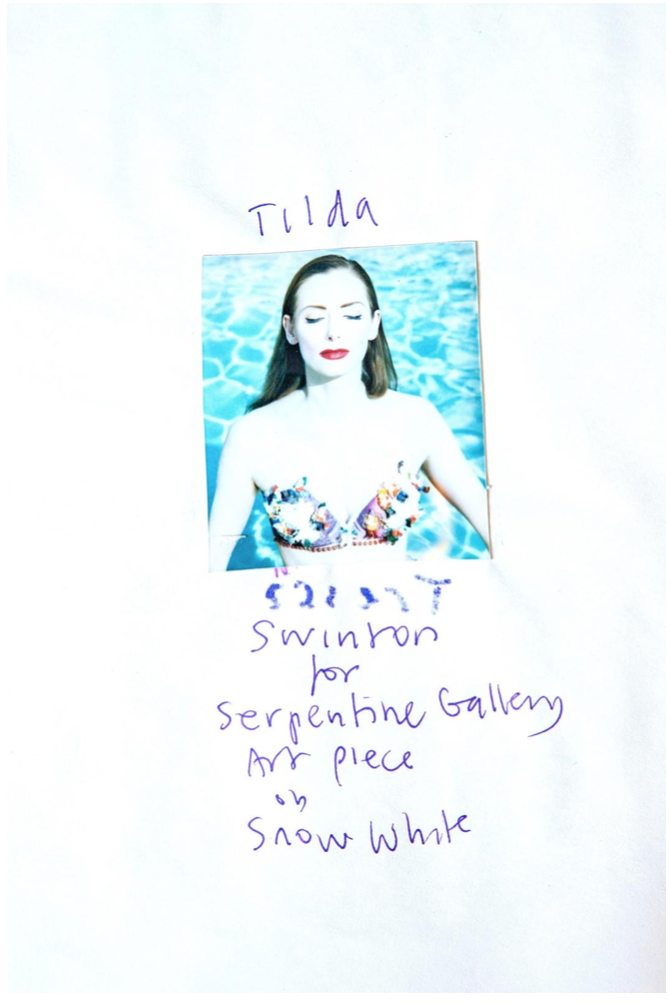
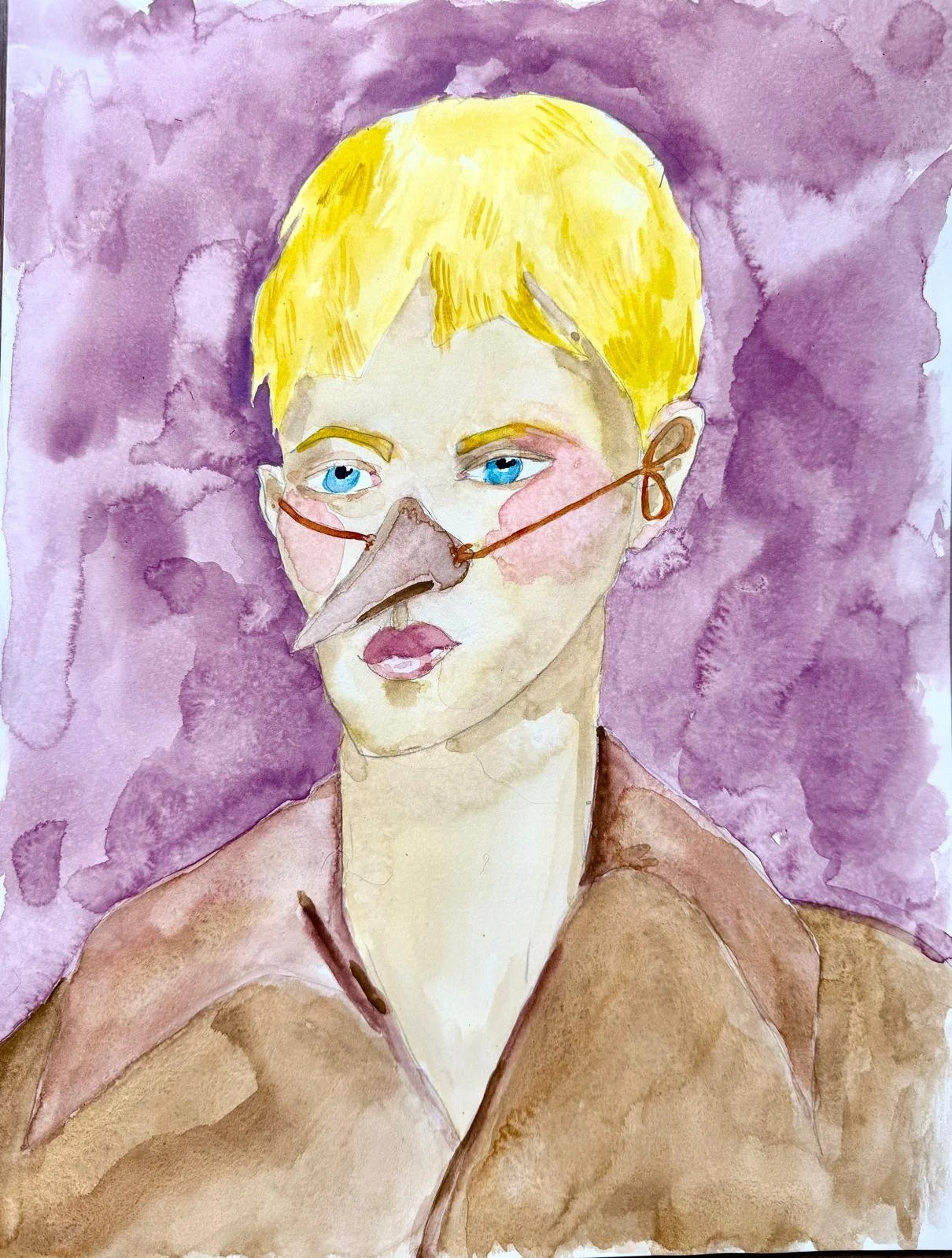
On view from October 16 through November 15, 2026, at Kates-Ferri Projects’ The B-Side in New York, “BLOW-JOBS – $1; WITH LIPSTICK – $5” brings together more than 20 watercolor portraits and mixed-media curio boxes incorporating reproductions from Rozsa’s photographic diaries. Familiar faces, including Tilda Swinton, Manolo Blahnik, and Boy George, appear within an archive that connects fashion, music, performance, and the everyday business of making pictures.
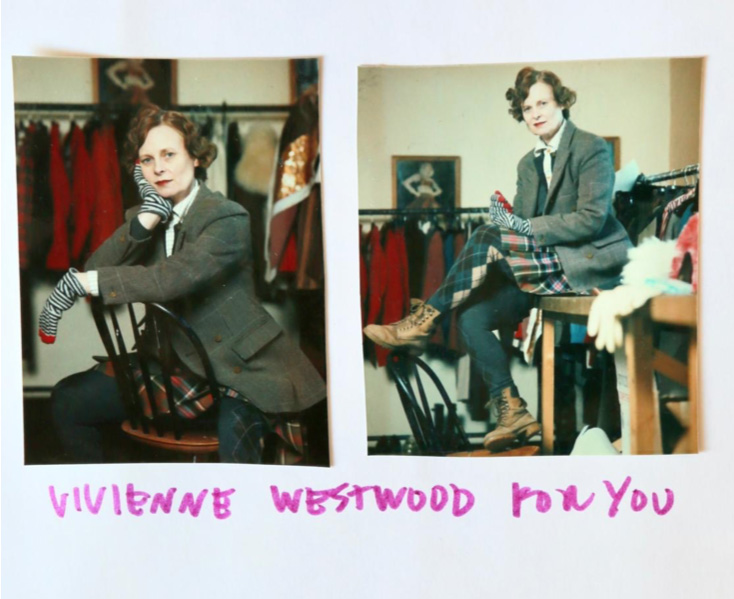
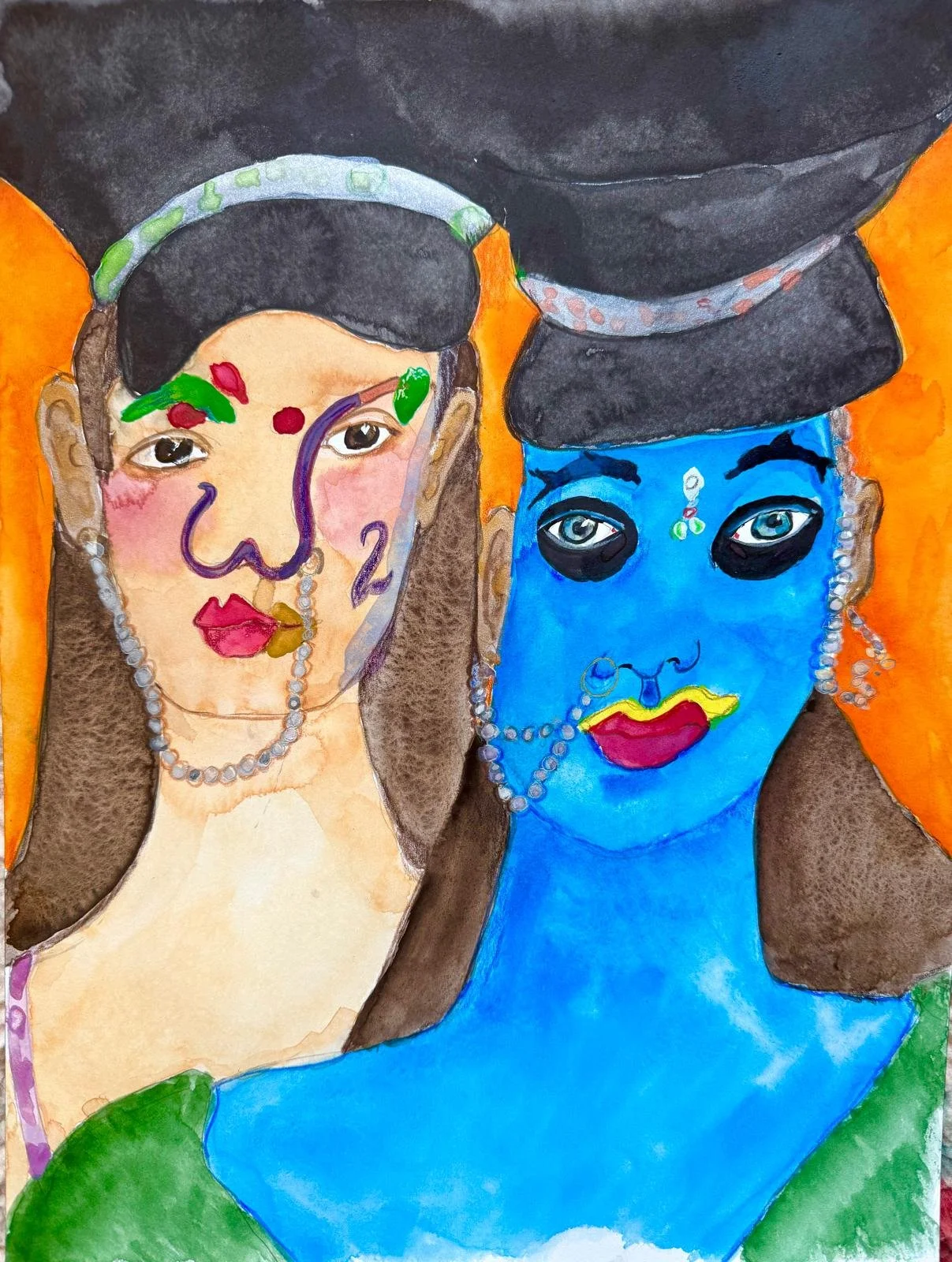
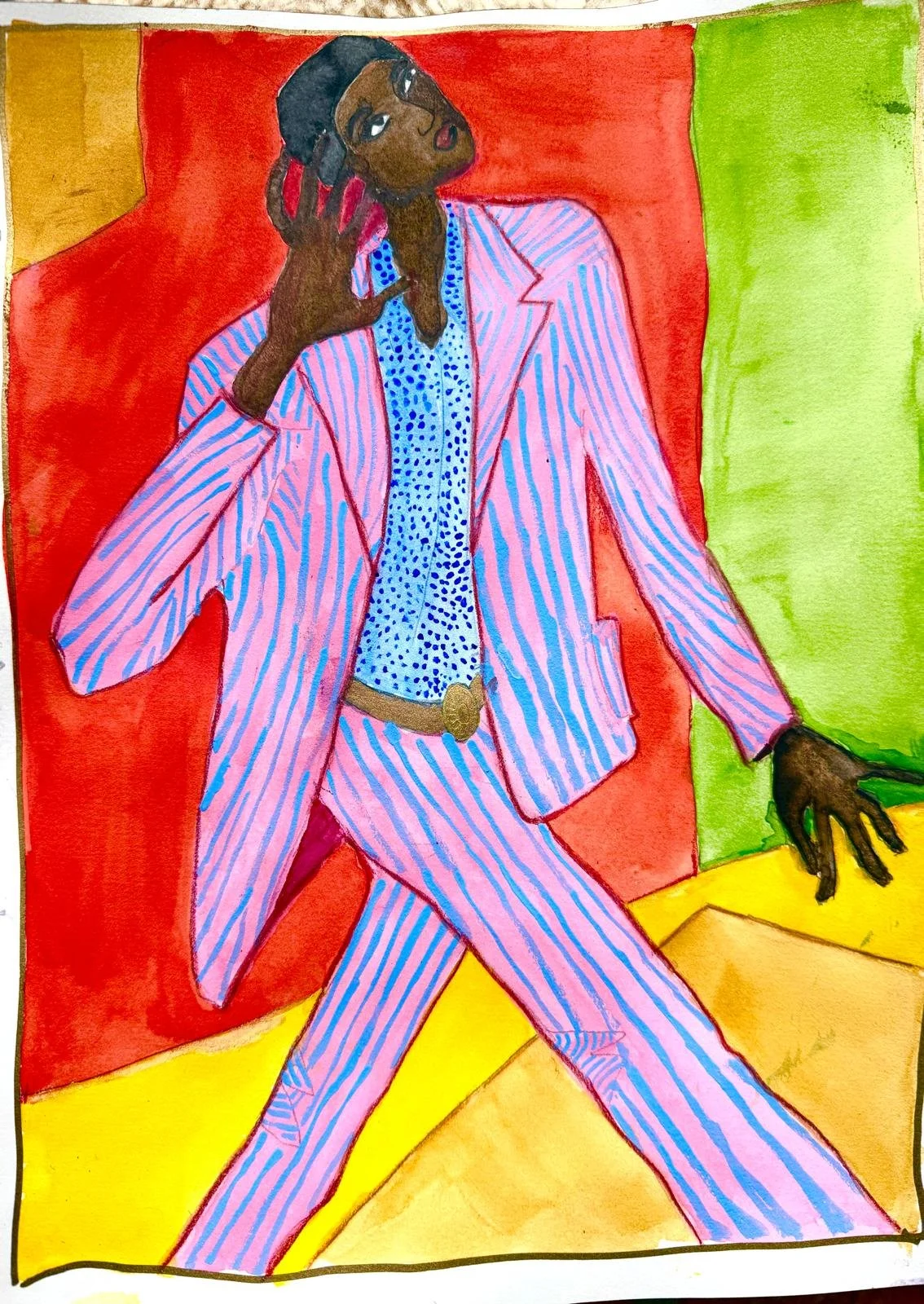
The paintings offer another way into Rozsa’s fascination with personality. Working with watercolor, iridescent paint, and pencil on Arches paper, he creates figures whose unusual coloring and self-possessed expressions suggest lives beyond the frame. The frames themselves are part of the work: painted by hand in patterns inspired by Moroccan decorative traditions, they extend the color and character of each portrait.
Born and raised in Nairobi, Rozsa moved between Kenya and England before finding his way into photography through London’s fashion scene. Running a vintage shop in Covent Garden introduced him to the editors, models, and photographers who would help shape his next chapter. Painting, which he began pursuing in 2020, offered a different rhythm—one that exchanged the negotiations of a photographic set for the independence of working alone.
The exhibition’s title references a 2011 work by René Ricard, bringing a provocative sense of humor to a show concerned with appearance, individuality, and reinvention. Beneath that irreverence is a continuing interest in people who follow their own instincts, whether photographed in a London flat or imagined in watercolor.
In conversation with Indira Cesarine for The Untitled Magazine, Rozsa reflects on his upbringing in Kenya, photographing Boy George before his music career, an encounter with Tina Turner that introduced him to Buddhism, and the pleasure of making something entirely by hand.
Indira Cesarine: Johnny, congratulations on your debut exhibition at Kates-Ferri Projects! I’d love to dive into your creative journey. Take me back to where you grew up—what first sparked your interest in making images, and how did you find your way into photography?
Johnny Rozsa: I was born and raised in Nairobi, Kenya. Can you imagine growing up in Kenya in the ’50s? With all those animals, the tribespeople, the incredible landscape, mountains, rivers, and coast—it was the most blissful upbringing. I was a little child running around in shorts and bare feet. My parents were European and quite conservative, so I had to dress up for dinner, and we always had dinner together.
I went to school there, but when I was 13, in 1963, I went to England on my own to attend school. I had a great education. I excelled in French, geography, history, and English—not so much in maths and chemistry.
But it was the Beatles, the boom of Carnaby Street and fashion, and the rebellion against everything in England at that time that were so inspiring. I had a great art teacher called Dennis Hawkins at my all-boys school. He really drew me out and helped me use my eyes and see. That was a great help.
I went back to Kenya, then left once and for all when I was 22. I moved to England and went to college there. I was mesmerized by what was going on in music, fashion, and art. I didn’t really know what else to do except take photographs of it all.
I had a vintage store, and I met all these models, fashion editors, and photographers. I was still sitting in the shop, feeling frustrated because all these people were doing things. After three years, I sold my share of the shop and bought my first Hasselblad camera. I started photographing the models, and because I knew the fashion editors, I started shooting for magazines.
Your photography career brought you into the worlds of celebrity, fashion, and music in the ’80s. What are some of the memories that stand out after all these years?
During the ’80s, I shot a lot for magazines, but I also did a lot of celebrity portraits and portraits of actors. I shot covers for publications like The Sunday Times, i-D, The Face, Vogue, and many others. I realized I was very good at taking portraits—actually, much better at taking portraits of people than at shooting fashion.
In 1982, I photographed Tina Turner for the cover of a magazine in the UK, and she introduced me to Buddhism. My Buddhist practice has really influenced my way of seeing things. I think having a spiritual practice is extremely important in this day and age. It has made me a broader person, rather than someone stuck and glued to my iPhone.
You’ve photographed such strong personalities, including Boy George, Vivienne Westwood, Susan Sarandon, and Leigh Bowery. How did you get past someone’s public image and find something unexpected in them?
In 1978, I photographed Boy George in my flat before he was even a singer. I didn’t even know he was a freak. We’ve remained good friends ever since.
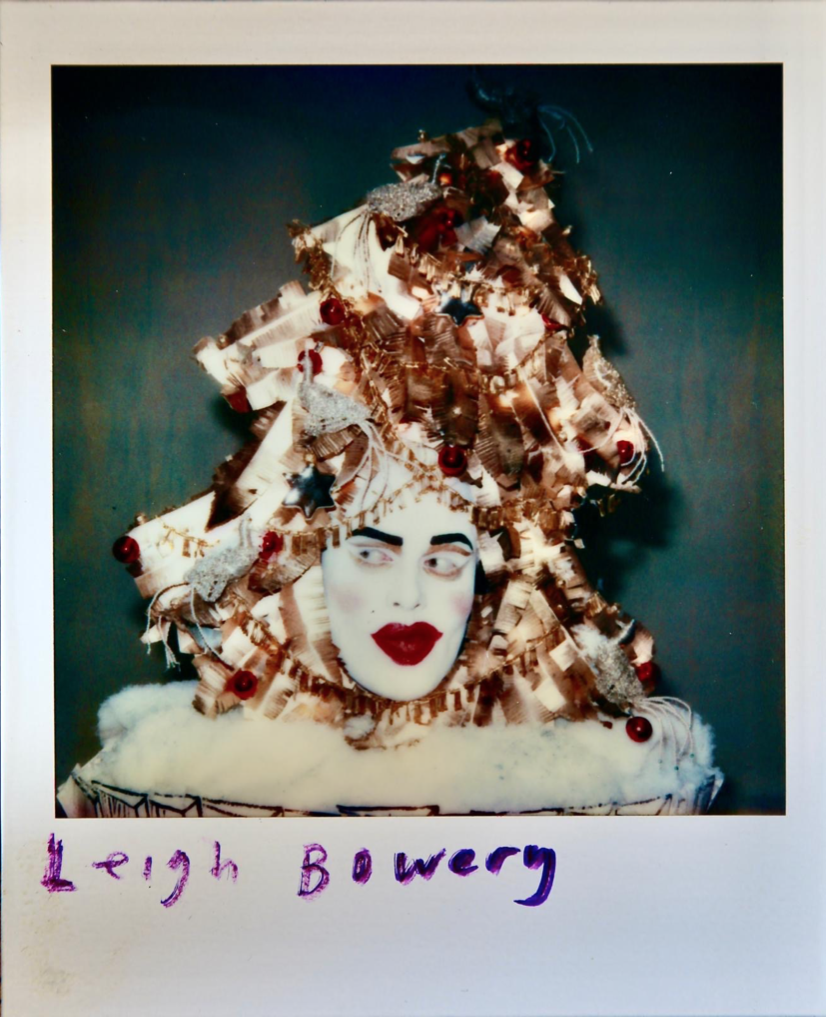
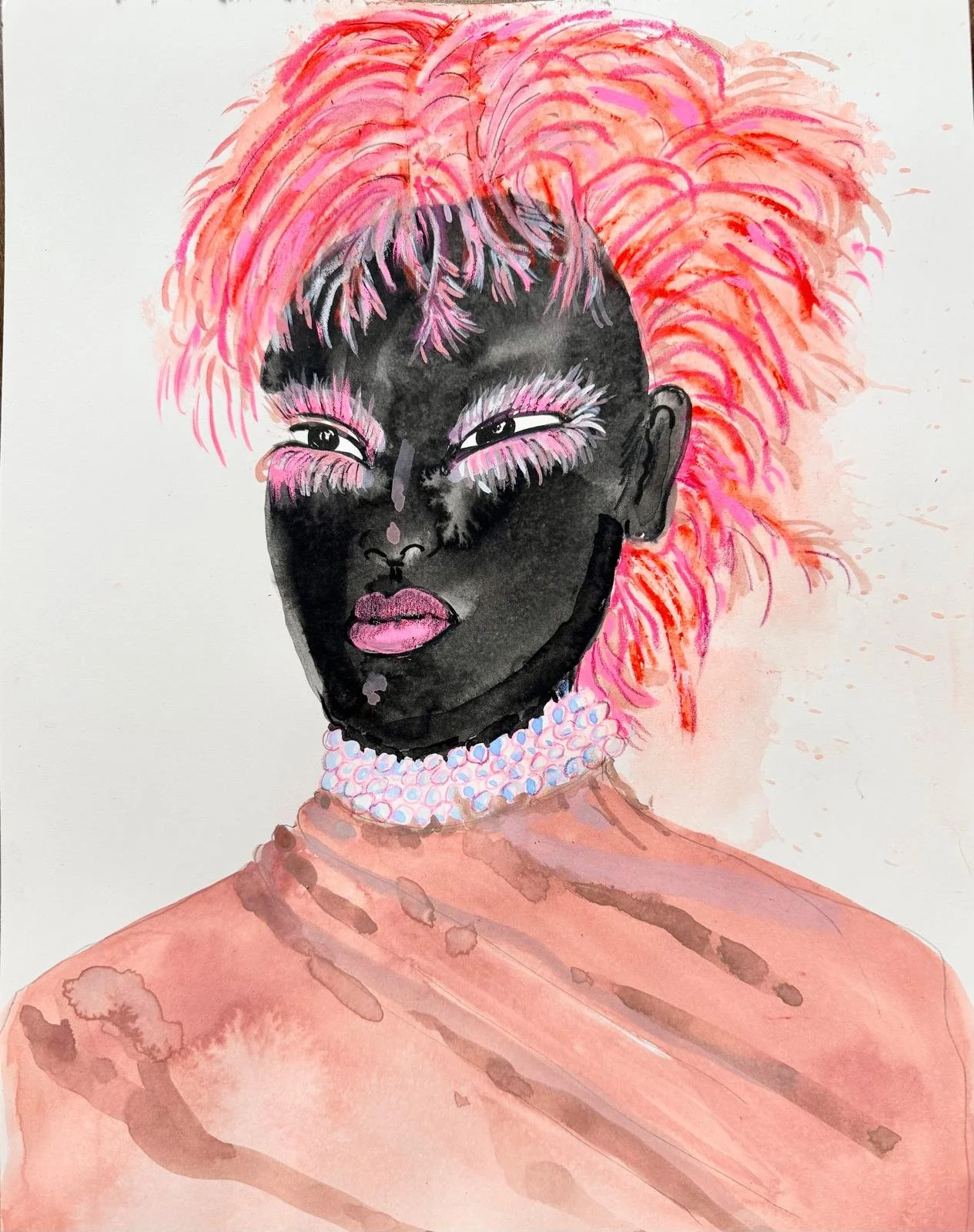
I also photographed other freaks like Leigh Bowery, eccentrics like Vivienne Westwood, and really important creative people in the ’80s.
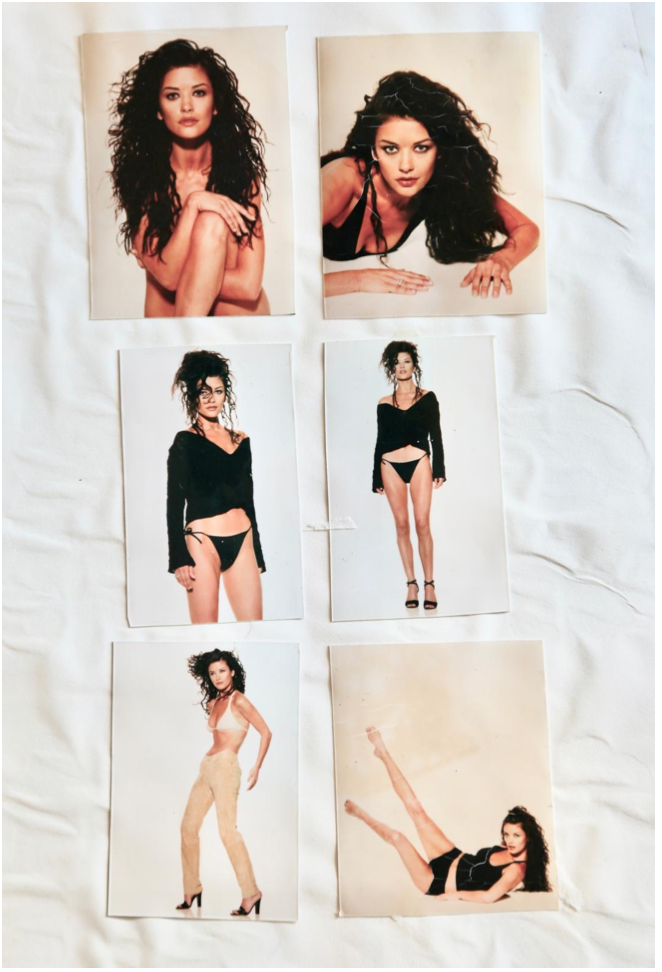
But I also photographed lots of Hollywood movie stars, including Halle Berry. What I enjoyed most was getting people into character and, in a very simple way, letting the character and what they were wearing speak for themselves.
I think I’m very easy with people, and people get very relaxed when I’m around, so I always broke through. In those days, there weren’t managers and people telling you what to do in the same way. A lot of celebrities didn’t have those demands about only wearing a certain brand or a particular red lipstick. They listened to me, and I got very unique photographs of people because of my relaxed approach to life.
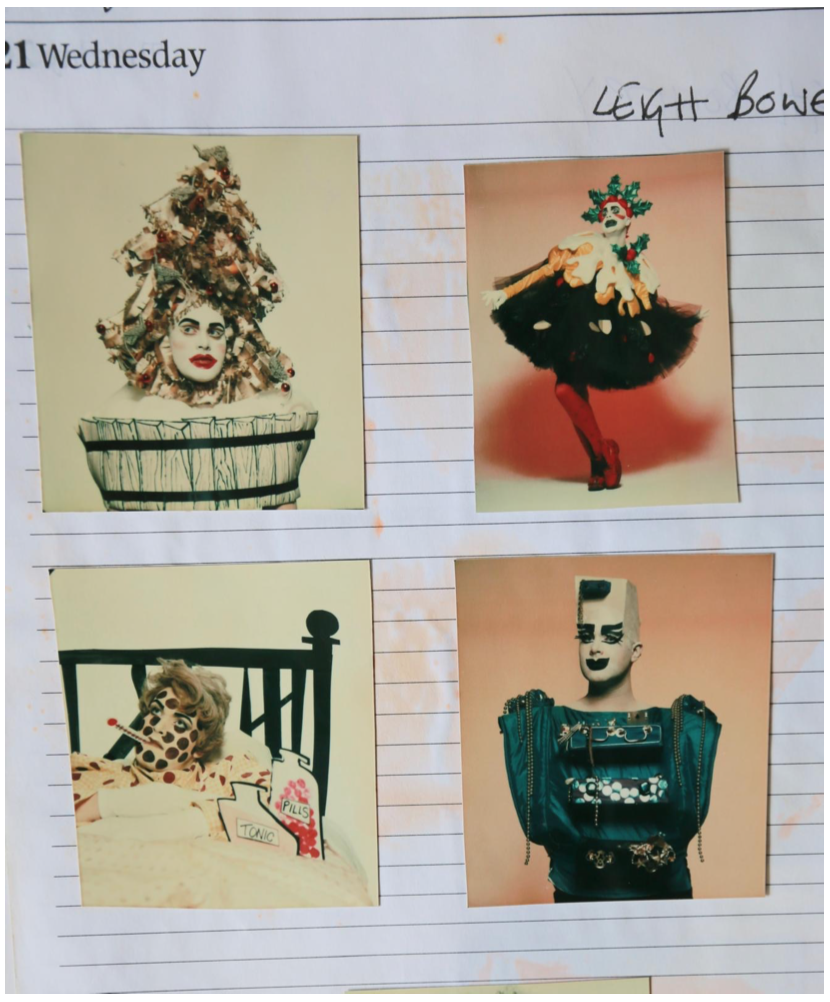
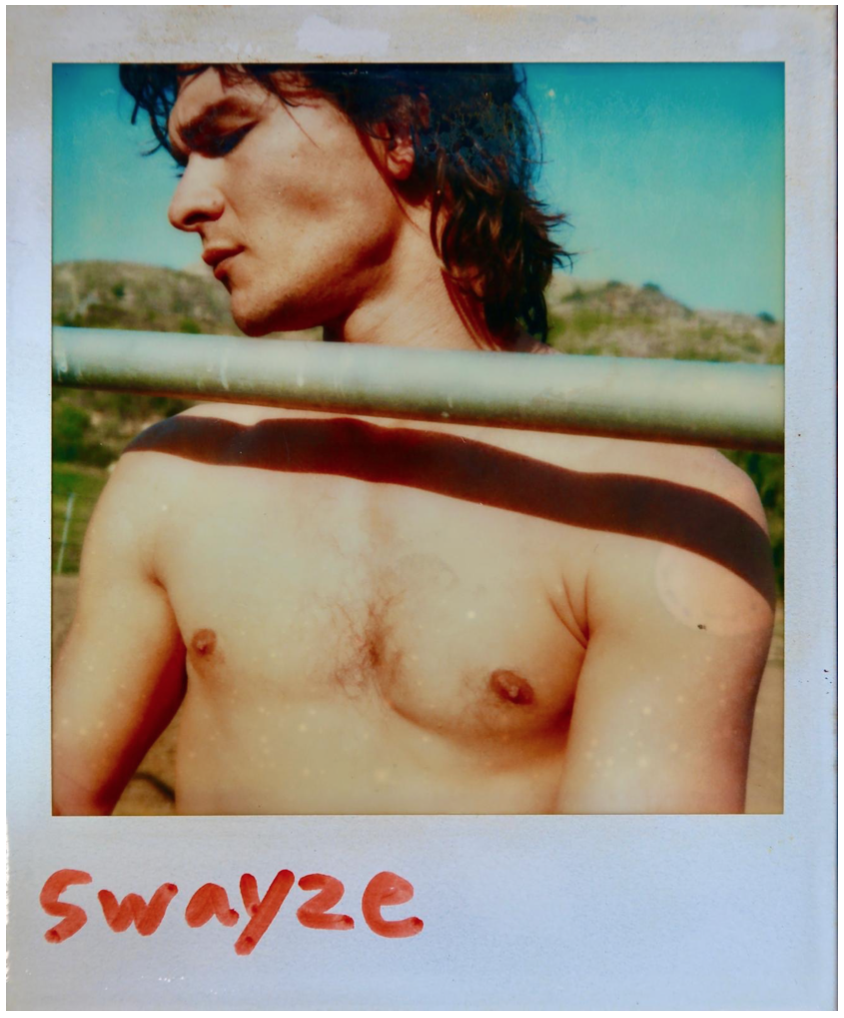
It was so cool seeing your photo journals, with your original Polaroids documented day by day on the calendar—so much incredible work! How did those diaries come together, and what have you kept from those shoots?
Whenever I photographed anybody, once I’d set up the pose and the light, I would take a Polaroid and stick it in the diary. Every time they changed, or at different points during the day, I would take another Polaroid.
I never thought about it at the time, but looking back now, I’ve got these incredible diaries, including invoices for food, how much film I used, and so on. I built up a couple of decades of Polaroids of people.
Some of the film went to the magazines and clients, but I’ve kept all the Polaroids. I’ve still got them.
Tell me about your relationship with painting. Where did it begin, and what made this the moment to share that side of your work in an exhibition?
As my photographic career dwindled, I became increasingly irritated with hairdressers, makeup artists, stylists, and clients telling me what they wanted—or even subjects saying they wouldn’t wear red lipstick, a smoky eye, or their hair a certain way. I started retreating from taking photographs because I just couldn’t be bothered with all these people.
I started drawing and making sketches on my own in my apartment.
Last year, in 2025, I had a show at Gallery Kent in Tangier, Morocco. I made 50 watercolors of tribal women and men, using postcards from the 1920s, ’30s, and ’40s as references. I sold all 50 paintings.
Then the wonderful Natalie Kates asked me to have a show here in New York. She had the brilliant idea of combining some of the Polaroids with my new paintings.
The paintings have such evocative titles, including “Maeve with Calliope.” Tell me about the people and stories behind these works—how do memory and imagination come into play?
The watercolors in my show at Kates-Ferri Projects on Grand Street are mostly from my imagination. There are only a couple of exceptions. One was inspired by a Russian artist who painted in the ’40s and ’50s—the woman with the green face. It’s not a copy; it’s just inspired by it.
The other is the Leigh Bowery and Trojan painting, which was inspired by one of the photographs I took of Leigh and Trojan back in the ’80s. Otherwise, most of them are just from my imagination.
You combine watercolor, iridescent paint, and pencil, and embellish the frames yourself. How did that visual language develop?
When I had my show in Tangier last year, I was driving past the straw market and stopped to ask if they could make straw, raffia, or palm-leaf frames for me. They did, and they were absolutely marvelous. Everyone talked about the frames.
For the show at Kates-Ferri Projects, I wanted to do something different. I decided to paint the frames myself, inspired by Moroccan hand-painted tables. I met a painter in Morocco who used brushes made from the mane of a donkey. He was very particular and only painted with that sort of brush—nothing high-tech like the brushes we get in the West.
I painted the frames by hand with oil paint. For the paintings, I used these amazing Japanese watercolors that look like little blocks. They can come out very watery or quite thick and dense. I also found different kinds of watercolors, including iridescent ones and ones with glitter in them.
Usually, I draw an outline, then think about color—what would go well together or what would clash—and just go ahead and paint. I think they look really fun.
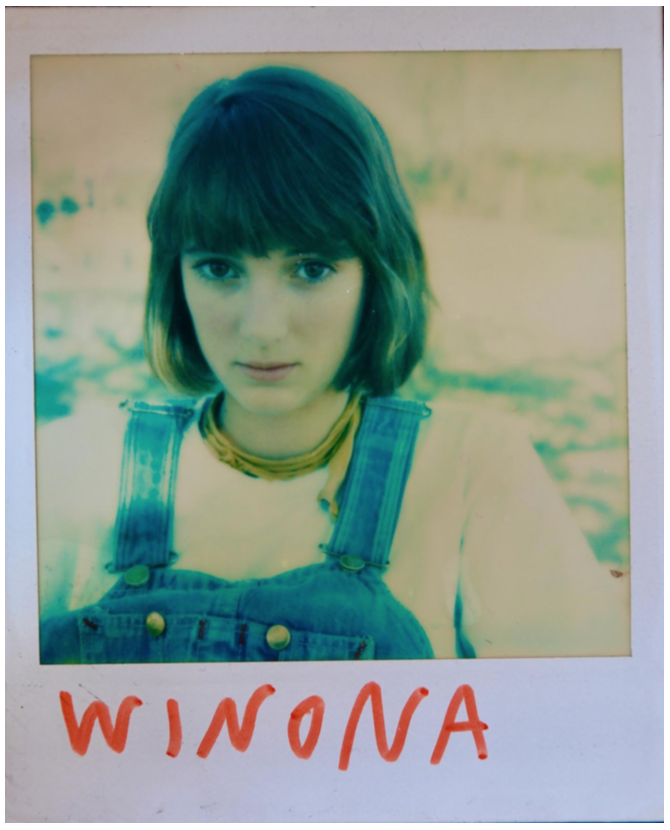
The exhibition brings your paintings together with your Polaroid mixed-media works. Seeing them side by side, what connections have you discovered between your approaches to photography and painting?
I was very nervous about having a show here in New York because I didn’t know how people would take it. But at the opening, I felt that the feedback was one of happiness and joy. I felt very supported by people from all walks of life whom I’ve known here and who came to the opening.
I think the combination of the Polaroids and the paintings really shows the breadth and depth of my creative life. Because the pictures are so pretty, colorful, and handmade, rather than computer-generated, I think they bring humanity and a sense of joy to the viewers. I hope so, anyway.
“BLOW-JOBS – $1; WITH LIPSTICK – $5” is on view through November 15, 2026, at Kates-Ferri Projects’ The B-Side, 563 Grand Street, New York. A closing sketch session is scheduled for November 15, from noon to 3 p.m., during which visitors can sit for watercolor portraits by Rozsa.